

 STEM Classroom
Knowledge-based computing can be used by students, instructors and developers to integrate computational learning into the STEM classroom as well as other course subjects. Find examples of interactive demonstrations and computation with real-world data.
These courses show how the Wolfram technology stack, with its expansive collection of Wolfram Language built-in functions, its curated knowledgebase and the interactive notebook interface, can be used to build student understanding, computational skills and an improved learning experience. Certification opportunities are available for proficiency in STEM subject areas as well as for completion of specific courses.



Course Completion Certificates


Upcoming Events
-
OCT 14 | Online
Computational Social Science with Wolfram Language
This webinar showcases Wolfram Language as a unified solution for social science research and teaching. Find out how you can elevate your workflows with powerful text analysis tools, social network computation and ready-to-use computable datasets covering finance and socioeconomics, media and culture, history and geography and much more. The one-hour session features real-world examples that use Wolfram Language for data explorations of interest to researchers, professionals and students.
-
OCT 21 | Online
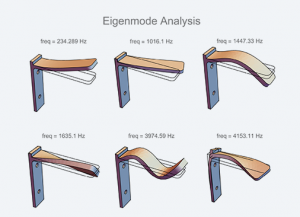
Engineering Computation with Wolfram Language
This presentation showcases integrated modeling, design and deployment workflows offered by Wolfram Language for researchers, professionals and students. Find out how to leverage our ready-to-use automated machine learning framework and signal processing tools to elevate your engineering workflows. This one-hour session provides insights for using a streamlined, end-to-end system for tackling engineering problems.
-
OCT 28 | Online
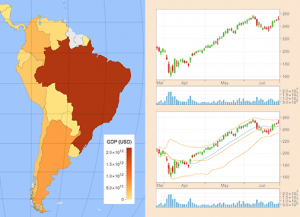
Computational Economics with Wolfram Language
This presentation showcases the ways that Wolfram Language integrates ready-to-use financial and socioeconomic data, automated modeling functionalities and powerful data visualization tools to advance economics and business intelligence workflows. The one-hour session features real-world examples of interest to researchers, professionals and students.